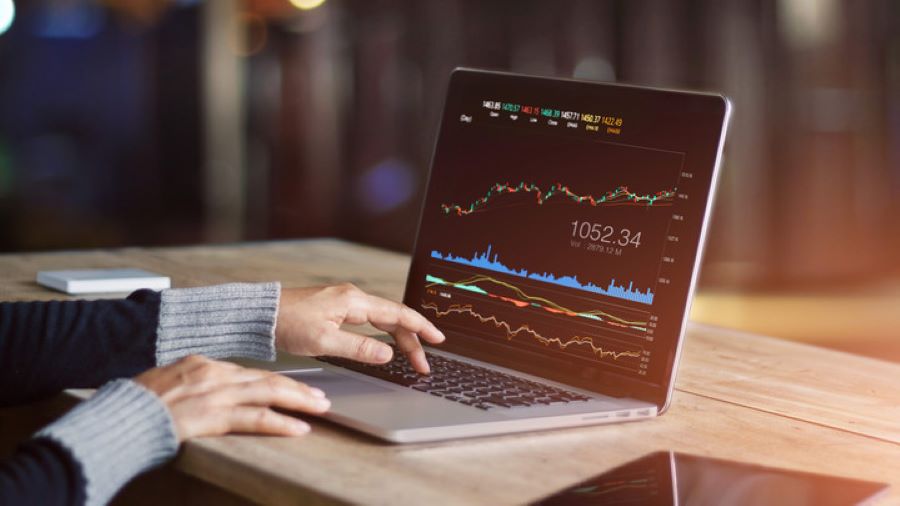
In the world of financial markets, traders adopt various strategies to generate profits and manage risks. Two of the most widely discussed approaches are fundamental trading and news based trading. Both styles rely on information to make decisions, but they differ significantly in their focus, timing, and analytical methods. Understanding these differences is essential for both novice and experienced traders who seek to choose a trading style that fits their personality, goals, and risk tolerance.
One source that explores market dynamics and relevant strategies is https://dailynewstrading.com/. This platform highlights how external events and market sentiment can influence price movements, which is particularly relevant to those interested in news-driven approaches. Meanwhile, the broader concept of Daily news trading refers to the practical application of reacting to current events and headlines as they unfold throughout the trading day.
What is Fundamental Trading?
Fundamental trading is a strategy that involves analyzing economic indicators, company financials, industry trends, and broader macroeconomic conditions to predict future price movements. Traders who use this style believe that assets have an intrinsic value that can be determined through thorough research. If the market price deviates from this value, a trading opportunity may exist.
For example, a fundamental trader in the stock market may examine a company’s earnings reports, revenue growth, profit margins, and debt levels. They may also consider industry competition, technological innovations, and regulatory conditions. In the currency markets, fundamental analysis might focus on interest rates, inflation data, unemployment figures, and geopolitical developments.
The core belief behind this approach is that over the long term, asset prices will gravitate toward their true value based on underlying economic data. Consequently, fundamental trading is often associated with longer-term investment horizons, such as weeks, months, or even years. This method demands patience, deep research capabilities, and an understanding of how interconnected economic factors influence markets.
What is News Based Trading?
News based trading, on the other hand, is a style focused on reacting to real-time information and market-moving events. Traders who employ this strategy attempt to capitalize on price volatility that arises immediately after news releases. This might include economic reports, central bank announcements, corporate earnings releases, geopolitical developments, or unexpected global events.
The essence of news based trading lies in speed and timing. Since markets often move rapidly when significant news breaks, traders must be able to process information quickly and execute trades without hesitation. In Daily news trading, this rapid reaction is critical because price movements can occur within seconds of a major announcement. In some cases, algorithmic trading systems are used to automatically respond to specific triggers, such as interest rate decisions or employment data.
This trading style is often shorter-term, with positions held for minutes, hours, or days. The rationale is that pricing inefficiencies following a news event can present profit opportunities before the market fully adjusts. However, this approach carries higher short-term risk, as markets can be unpredictable immediately following headline announcements.

Key Differences Between Fundamental and News Based Trading
Time Horizon
One of the most significant differences between fundamental and news based trading is the time frame. Fundamental traders typically have a longer-term perspective, waiting for the market to reflect the true value of an asset. In contrast, those engaged in news based trading operate in much shorter time windows, aiming to benefit from rapid price swings.
Type of Analysis
Fundamental trading relies on deep analysis of financial statements, economic indicators, and long-term trends. It demands a comprehensive understanding of market drivers. News based trading emphasizes real-time data and its immediate impact on price. Instead of long-term value, this focus is on short-term market reactions.
Market Sensitivity
News based traders are highly sensitive to market sentiment and sudden developments. A single news release can trigger a rapid and significant price movement. Fundamental traders are more concerned with underlying economic health and structural shifts that affect an asset’s long-term prospects.
Tools and Techniques
Fundamental trading often requires tools like financial models, valuation metrics, and economic forecasting. News based traders might rely on news feeds, economic calendars, alert systems, and sometimes automated trading algorithms. Each style demands different technical proficiencies.
Which Style Suits You?
Choosing between fundamental and news based trading depends on your personality, lifestyle, and risk tolerance. If you enjoy detailed analysis and have a long-term view of markets, fundamental trading might be more suitable. If you thrive in fast-paced environments and can handle rapid decision-making under pressure, news based trading may be appealing.
Both styles have their advantages and challenges. Fundamental trading provides a solid foundation for understanding market value, while news based trading offers exciting opportunities for profits in volatile conditions. Many successful traders blend elements of both, creating hybrid approaches that leverage long-term insights and short-term reactions.
In conclusion, while fundamental and news based trading differ in methodology and execution, they each play a vital role in modern financial markets. By understanding their nuances, traders can better tailor their strategies to match their goals and the ever-evolving dynamics of global markets.